
Pastures & meadows
Rank growth, weeds and saplings knocked down so grass comes back thicker and the place stops sliding toward brush.
Brush hog mowing · By the acre or by the hour
Regular shredding is the cheapest brush control there is. Every year you skip, the mesquite gets a year further ahead of you.
Call 940-567-8111 Get a free estimate
Free on-site estimates · Jack, Wise, Young, Palo Pinto & Parker counties
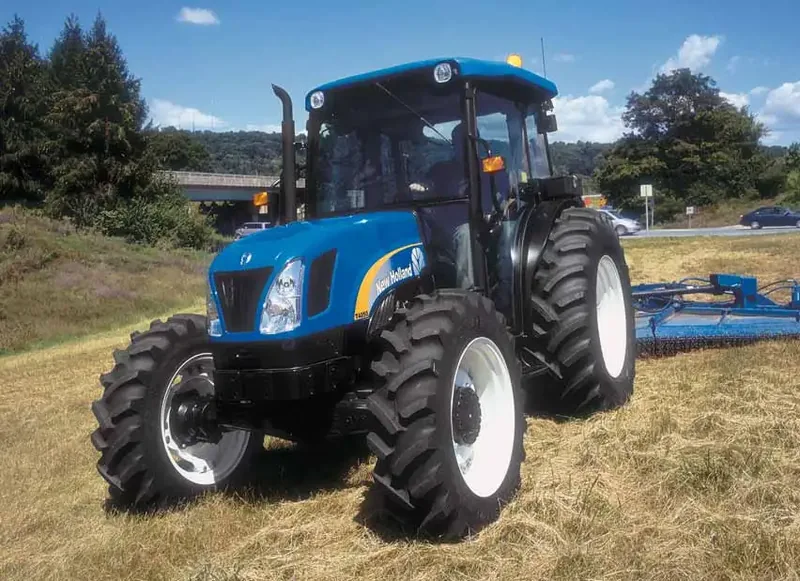
Brush hog mowing, also called shredding or tractor mowing, is cutting pasture growth, weeds, briars and saplings with a rotary cutter behind a tractor. It handles rank grass and woody stems up to about two inches that a regular mower cannot. We shred pastures, fence lines, ditches, right-of-way and vacant acreage, priced by the acre or by the hour.
Acreage work, not lawns.
Rank growth, weeds and saplings knocked down so grass comes back thicker and the place stops sliding toward brush.
Both sides of the wire cut back so the fence stays visible, stays hot, and does not disappear into mesquite.
Roadside and interior ditches cut back so water moves and you can see what is coming around the corner.
Lease roads, pipeline right-of-way, access easements and the two-track to the back of the place.
Absentee-owned tracts kept mowed for appearance, for the county, or just so it is walkable when you come out.
A shredded place shows far better than a rank one. Worth doing before the listing photos get taken.
A rotary cutter cuts material off at mowing height. It is fast, cheap per acre, and the right tool for grass, weeds, briars and small saplings. Done on a regular cycle it will hold a pasture in grass more or less indefinitely, because young woody plants never get established enough to take over.
What it will not do is kill mesquite. Cut mesquite at mowing height and the root crown answers by sending up more stems. Shred the same mesquite pasture for ten years with nothing else and you can end up with a denser stand than you started with. Shorter, but thicker.
So shred to maintain ground that is already in reasonable shape. If mesquite is established and you want it gone rather than managed, that is mesquite grubbing or land clearing, and shredding afterward is what keeps it from coming back. Using a brush hog as a substitute for clearing is the most common money-wasting mistake we see on rural property around here.
How often. Once a year keeps most North Texas pasture from going backward. Twice a year, late spring and again in late summer, will actively improve it, particularly for weeds. Places shredded every three or four years are usually already losing ground to brush.
When. For weed control, cut before the weeds set seed. For brush suppression, later in the growing season hits woody plants harder. For appearance ahead of a sale, whenever it looks worst.
It depends on how rank the growth is, how big the tract is, and how many obstacles are in it. We price by the acre on open ground and by the hour on small or cluttered tracts. Call with the acreage for a range and we will firm it up after seeing it.
A rotary cutter comfortably handles woody stems up to around two inches. Beyond that you risk the equipment and you are not solving the problem anyway. Bigger woody growth wants clearing, not mowing.
Once a year keeps most North Texas pasture from going backward. Twice a year, late spring and late summer, improves it, especially for weed control.
No. Mowing leaves the root crown in the ground and mesquite resprouts with more stems. Shredding keeps young brush from taking hold, but established mesquite needs to be grubbed out below the crown.
If you are in Jack, Wise, Young, Palo Pinto or Parker county, yes. We are based in Jacksboro and work out from there. If you are near the edge of that area, call and we will tell you straight whether it is worth the drive for both of us.
No. This is acreage equipment. A residential lawn service will be cheaper and do a nicer job on a yard than a tractor and shredder.
We are based in Jacksboro and work out from there across Jack, Wise, Young, Palo Pinto and Parker counties. If you are close to the edge of that circle, call and ask — we will tell you straight whether it is worth the drive for both of us.
Tell us the acreage and roughly how tall it is, and we will give you a number.