
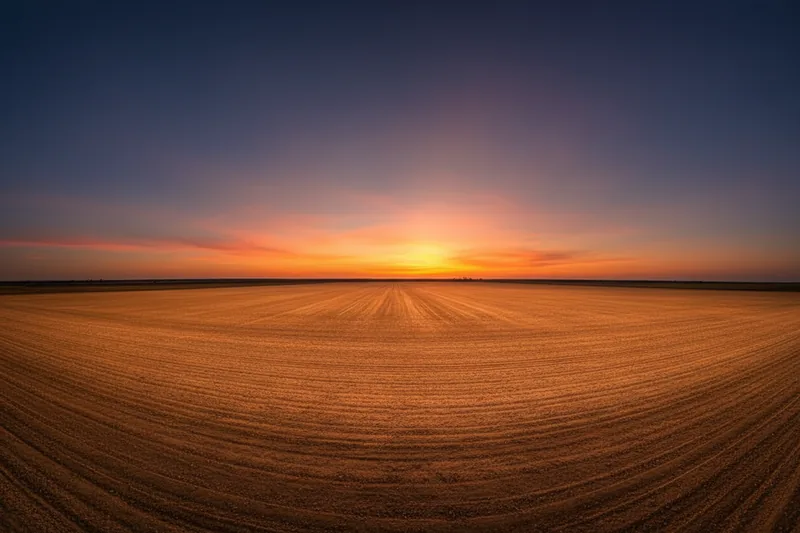
Cedar
Ashe juniper and eastern redcedar spreading into pasture. Cut below the lowest green limb, they do not come back. Redberry juniper can sprout from the base, so we check which you have.
- Young cedar in open pasture
- Mature cedar brakes
Brush clearing · Cedar, mesquite sprouts, fence lines, pasture
Cedar creeping into the pasture, mesquite sprouts where the old trees were shredded, a fence line you cannot see anymore. Brush clearing gets the ground back, and picking the right method for each part of it is what keeps it back.
Call 940-567-8111 Get a free estimate
Free on-site estimates · Jack, Wise, Young, Palo Pinto & Parker counties
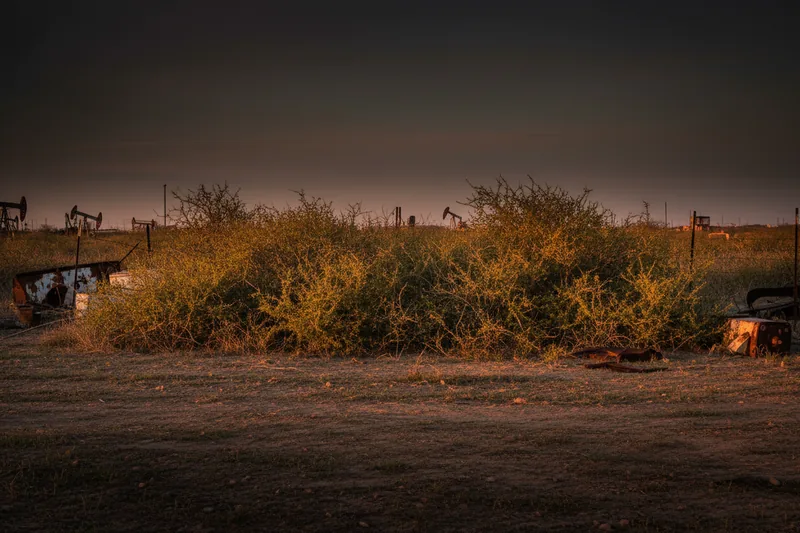
Brush clearing is taking cedar, mesquite sprouts, saplings and undergrowth off pasture, fence lines and homesites, and around Jacksboro it runs $1,200 to $5,000 per acre in 2026. Light scattered brush on open pasture is $1,200 to $2,000 an acre, moderate mesquite or cedar $2,000 to $3,000, and heavy or wooded ground $3,000 to $5,000 or more. Fence lines and small jobs are quoted per job.
Most brush clearing calls around Jacksboro are one of these, and plenty of places have three or four at once.
Ashe juniper and eastern redcedar spreading into pasture. Cut below the lowest green limb, they do not come back. Redberry juniper can sprout from the base, so we check which you have.
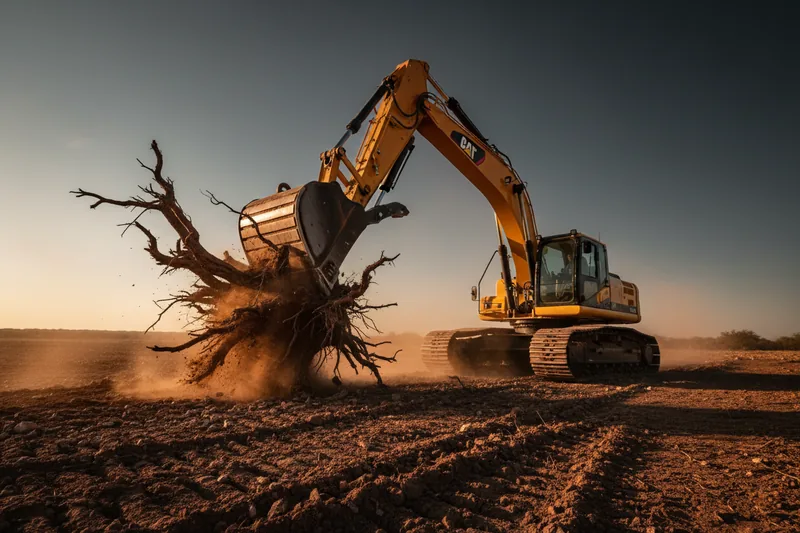
Multi-stem thickets where mesquite was shredded or pushed years ago and the root crowns stayed in. Cutting them again only makes more stems.
Brush grown into the wire, and old fence rows that have turned into a strip of trees.
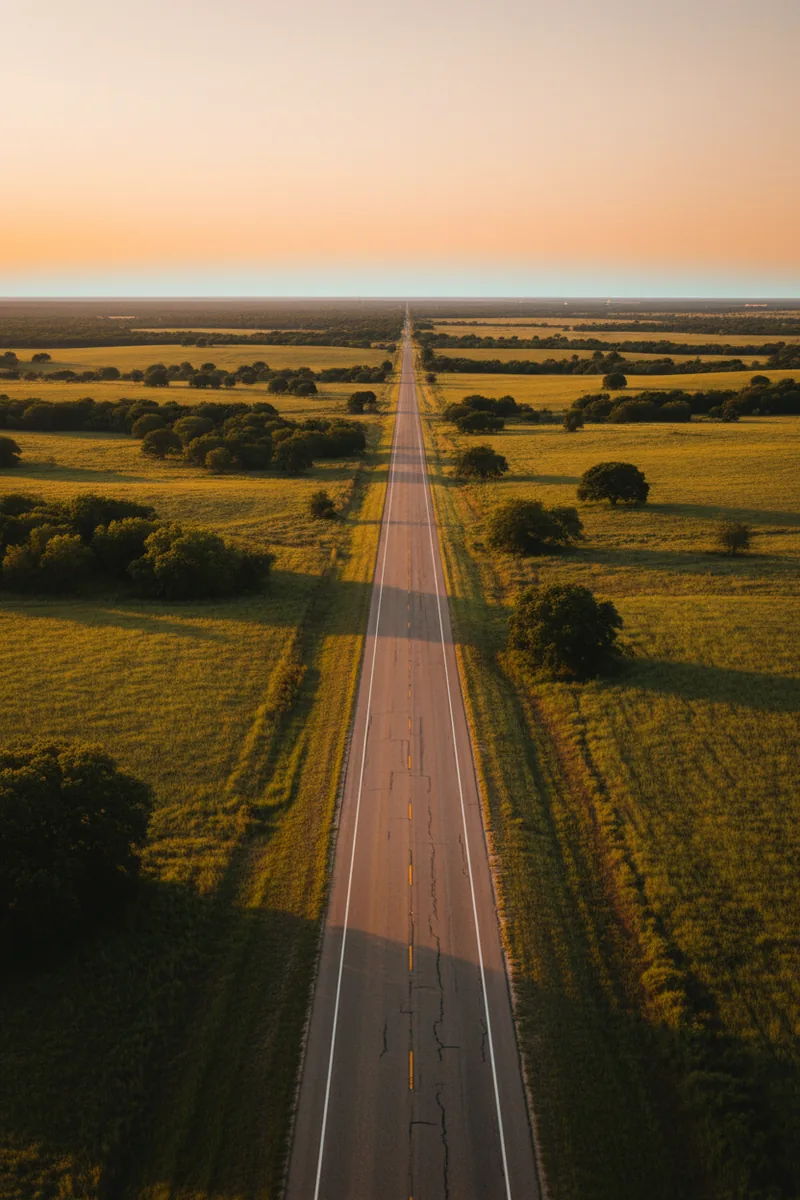
Brush that has crept out from draws, creek banks and field edges into ground you want to use.
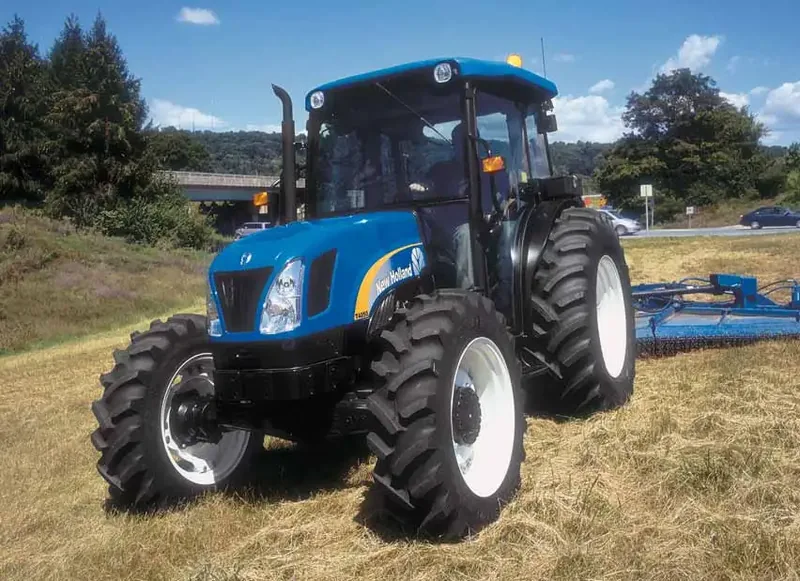
Weeds, briars and saplings have taken over, but the ground is still mowable. Often the cheapest fix there is.
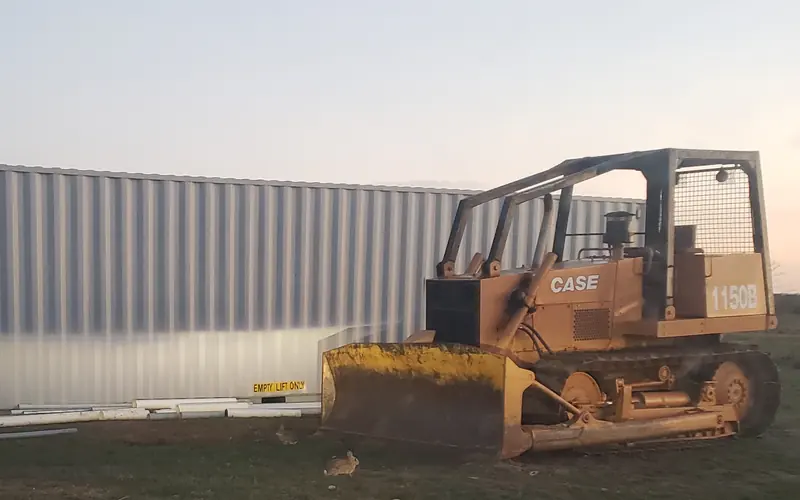
Acreage that has gone back to brush, where the job is bringing it back into grass.
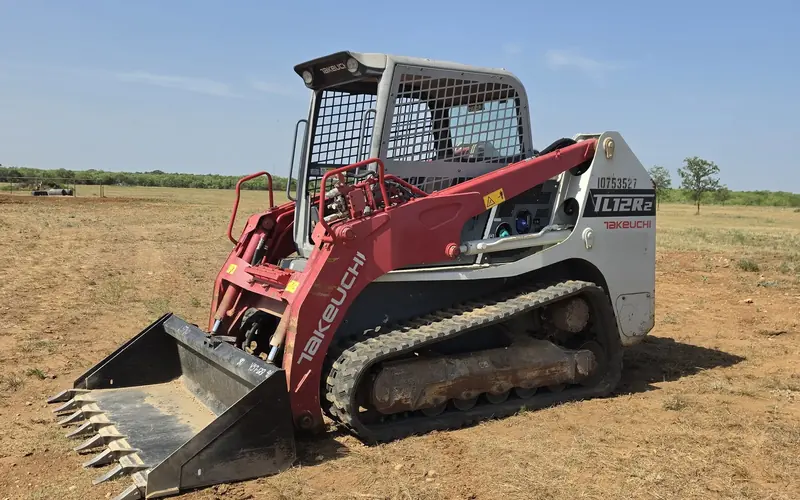
Undergrowth and small trees cleared from a house site, barn site or lot, with the trees you want kept left standing.
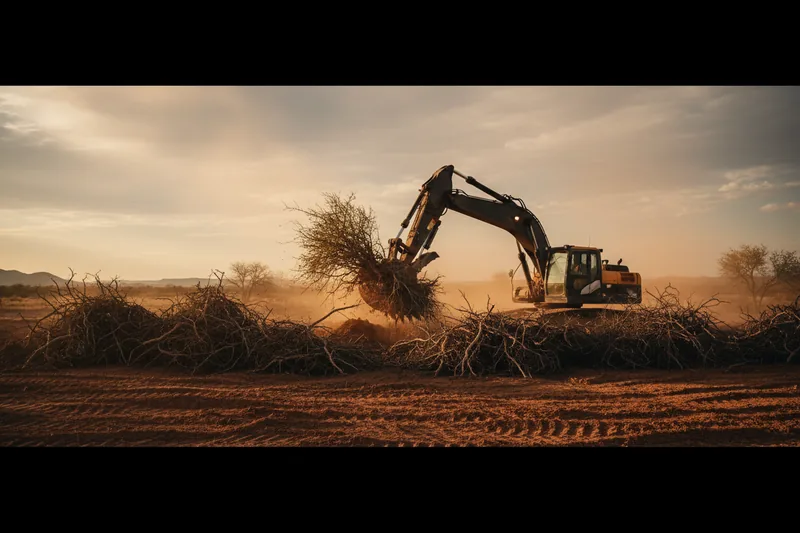
Brush pushed up years ago and never burned, picked up and stacked for burning or hauled off so the ground can be used.
There is no single best way to clear brush. The right method depends on what is growing, how much of it there is, and whether you want it gone for good.
| Method | Best for | What it leaves | How it is priced |
|---|---|---|---|
| Brush hogging (tractor and rotary cutter) | Weeds, briars, rank grass and saplings up to about two inches on mowable ground | Growth cut at mowing height. Roots stay, so it is maintenance, not removal | Per job, by the acre or by the hour |
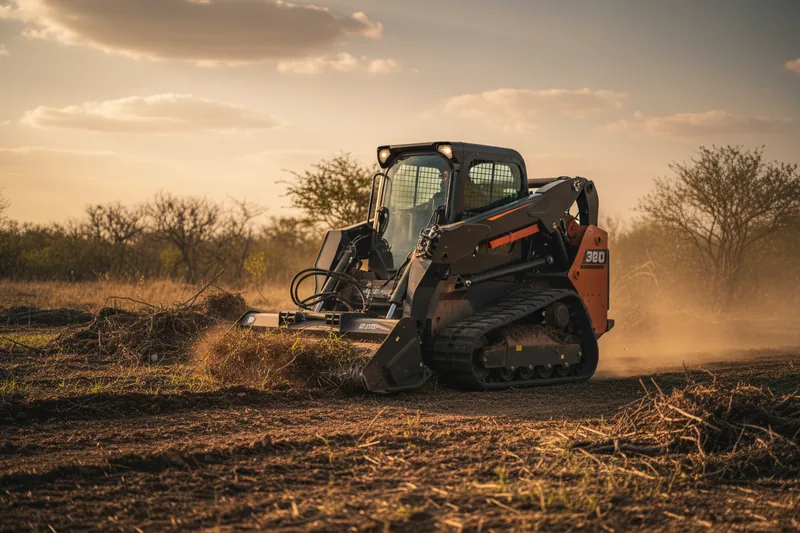
| Forestry mulching | Cedar, brush, fence lines, trails and lots with trees you want kept | A layer of mulch on the ground. No piles, no burning, little soil disturbance | $1,500 – $4,500 per acre |
| Grubbing (excavator) | Mesquite you want gone for good, homesites, working around keeper trees | Root crowns out of the ground. Holes to fill and debris to pile or haul | $2,000 – $5,000 per acre |
| Dozer with a root rake or root plow | Big pastures gone to brush, bulk clearing and pasture reclamation | Brush stacked or windrowed, soil disturbed, roots cut below the crown when root plowed | $1,200 – $3,500 per acre |
Most places get more than one method: mulch the cedar, grub the mesquite, and brush hog the open ground afterward. All figures are 2026 ranges for the Jacksboro area, not quotes.
If it is cedar, forestry mulching is usually the best answer. Cedar cut below the lowest green does not resprout, so grinding it to the ground is a permanent result, and there are no piles of green cedar waiting on a burn ban to lift.
If it is mesquite, the root crown has to come out. Mesquite regrows from a bud zone a few inches below the soil surface, so mowing, mulching or shearing it just sets up a thicker stand in two or three years. Scattered and mid-size trees get grubbed with an excavator. Big blocks of acreage get a dozer, root plowed or root raked.
If it is weeds, briars and saplings on ground you can still drive a tractor over, start with a brush hog. It is the cheapest brush control there is, and done every year it keeps a pasture from sliding back toward brush.
If it is a fence line, it depends on whether the fence is staying. Brush grown into a fence we are keeping gets mulched or cut back off both sides of the wire, without dragging the fence down with it. If the old fence is coming out anyway, the whole row can be cleared to the dirt and the mesquite in it grubbed, which makes building the new fence a lot easier.
We walk the place and tell you which parts want which method before anything starts. Clearing the whole place with one machine because that is the machine on the trailer is how people end up paying twice.
Brush clearing uses the same per-acre bands as our land clearing. Thickness of the growth moves the number most.
| Density | What you are looking at | Cost per acre |
|---|---|---|
| Light | Scattered mesquite or brush on open pasture, mostly mowable | $1,200 – $2,000 |
| Moderate | Continuous mesquite or cedar, stems you have to work around | $2,000 – $3,000 |
| Heavy | Thick multi-stem mesquite, mature cedar, heavy undergrowth | $3,000 – $4,000 |
| Wooded | Hardwoods, rock and slope, or brush hauled off | $4,000 – $5,000+ |
Brush hogging, fence lines and a handful of trees are quoted per job, not from this table. More detail on what moves the price is in our land clearing cost per acre guide.
Clearing is the expensive part. Keeping it clear is cheap if you stay on it. Brush hog the cleared ground once a year, twice if you want it improving, and new cedar seedlings and mesquite sprouts never get big enough to matter. Skip a few years and you are paying for brush clearing again. See brush hogging for how we handle the follow-up, and land clearing if what you have is more trees than brush.
Around Jacksboro in 2026, $1,200 to $5,000 an acre. Light scattered brush on open pasture is $1,200 to $2,000, moderate mesquite or cedar $2,000 to $3,000, heavy multi-stem growth $3,000 to $4,000, and wooded, rocky or haul-off ground $4,000 to $5,000 or more. Fence lines, brush hogging and small jobs are quoted per job. Estimates are free and on-site.
Brush clearing is the lighter end of land clearing: cedar, mesquite sprouts, saplings, briars and undergrowth. Land clearing also covers bigger trees, stumps and whole wooded tracts. We price both from the same per-acre bands, because the work and the machines overlap.
For weeds, briars, rank grass and saplings up to about two inches, yes. For established mesquite, no. Cutting mesquite off at mowing height leaves the root crown in the ground and it comes back with more stems. Mesquite has to be grubbed or root plowed, and brush hogging afterward keeps it from getting started again.
Three options. Mulched in place, which leaves nothing to deal with. Piled or windrowed for you to burn when the county allows it, since burning falls under county burn bans and TCEQ outdoor burning rules. Or hauled off, which costs the most and leaves the cleanest result.
Yes. Brush grown into a fence that is staying gets mulched or cut back off both sides of the wire without dragging the fence down. If the old fence is coming out anyway, we can clear the whole row to the dirt and grub the mesquite in it, which makes the new fence easier to build.
Ashe juniper and eastern redcedar cut below the lowest green limb do not come back. Redberry juniper can sprout from the base. Mesquite comes back unless the root crown is out. New seedlings will always blow or wash in, so a brush hog pass once a year is what keeps cleared ground clear.
If you are in Jack, Wise, Young, Palo Pinto or Parker county, yes. We are based in Jacksboro and work out to Bryson, Graham, Bridgeport, Decatur, Mineral Wells, Graford, Springtown, Weatherford and the country in between. Near the edge of that area? Call and we will tell you straight whether it is worth the drive.
We are based in Jacksboro and work out from there across Jack, Wise, Young, Palo Pinto and Parker counties. If you are close to the edge of that circle, call and ask — we will tell you straight whether it is worth the drive for both of us.
Tell us roughly how many acres and what is growing on them. We will walk it, free, and tell you which method fits which part of the place.